

How often should you walk your dog? A daily plan
A toilet break, a sniffing walk or a longer outing? Plan the day around your dog and spot where another opportunity is needed.

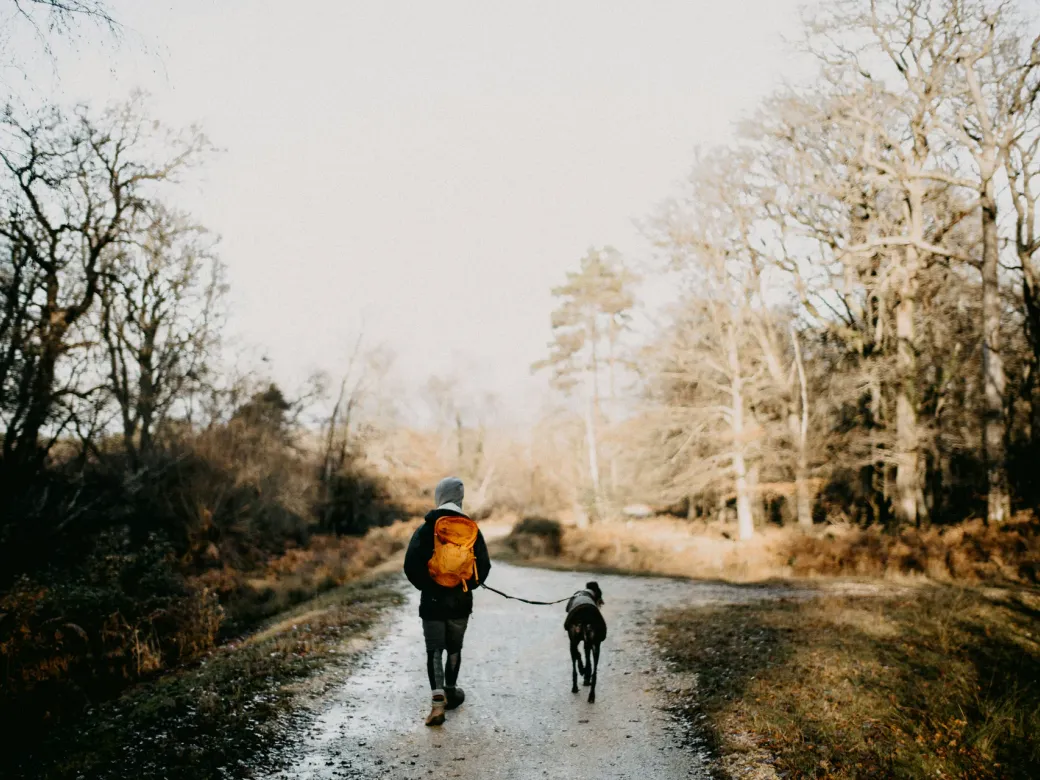
Dogs need opportunities to toilet outside throughout the day. The German animal welfare organisation Deutscher Tierschutzbund recommends four daily outings. Exercise needs also depend on factors such as age and breed. Four appointments are therefore a starting point for organising your day, not a guarantee that every dog’s needs are met. Deutscher Tierschutzbund: keeping dogs.
A useful plan answers two separate questions: when can my dog go to the toilet, and when can we have suitable walks? Below you will find a daily framework and a log to fill in.
A toilet break is only part of the day
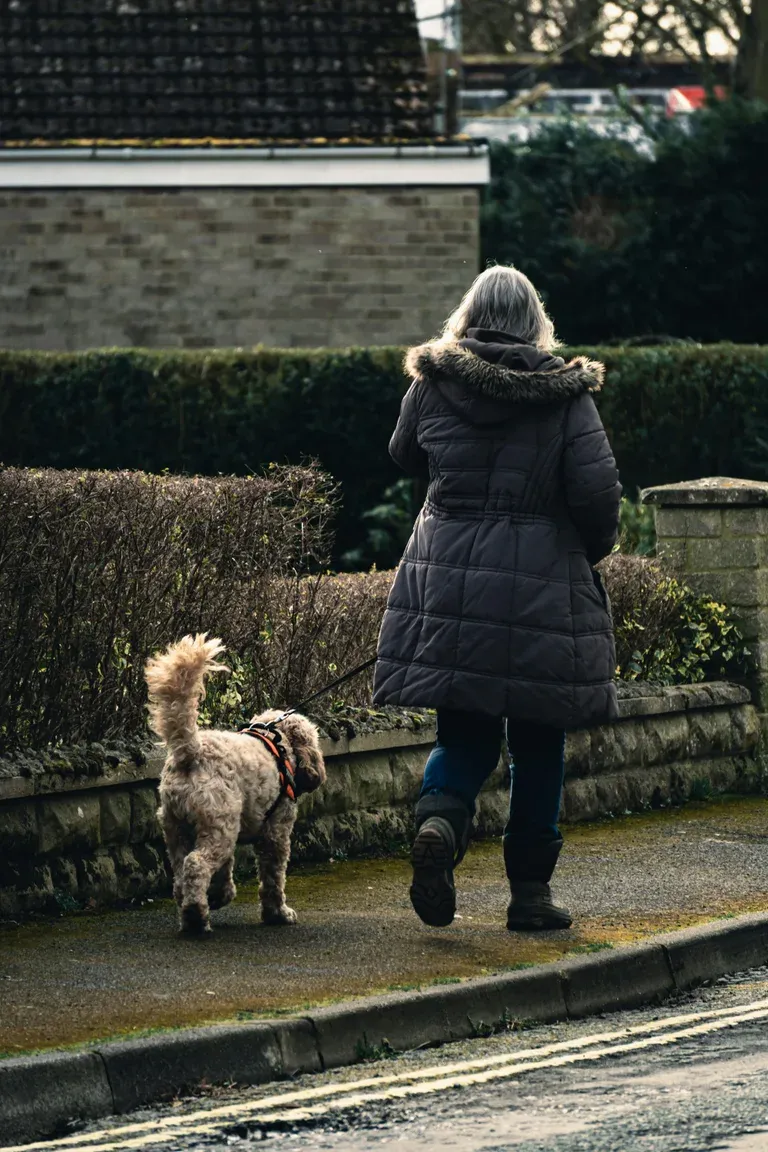
A quick opportunity to wee and a longer outing serve different needs. The RSPCA describes regular toilet opportunities every few hours as well as appropriate exercise. A long evening walk does not answer whether your dog had enough opportunities to toilet during the day. RSPCA: your dog’s home environment.
Start by writing down the toilet opportunities. Then add the walks you have more time for. This makes a gap between outings visible even when the total walking time looks generous on paper.
With puppies, notice what has just happened
Waking, eating, playing or an exciting visitor can mean another trip outside is needed. During toilet training, the RSPCA recommends frequent opportunities; depending on the puppy’s age, this can be every 45 minutes to an hour. That is training guidance, not a formula for walk duration. If your puppy becomes fidgety, sniffs around or circles, accompany them to the intended spot. Do not punish accidents. RSPCA: toilet training.
Write these situations into your plan. “After the afternoon nap” tells another carer more than “sometime later”. For chewing breaks with a young dog, our puppy-chew guide explains the additional questions to ask before choosing a product.
A daily framework you can adapt
This is an organising aid. It does not prescribe an acceptable waiting time or the exercise duration your dog needs. Enter your actual times and add opportunities whenever needed.
| Part of the day | What to arrange | Agree beforehand |
|---|---|---|
| After waking | A toilet opportunity, with room for your first walk. | Who goes if the morning routine changes? |
| During the day | Regular outings, including while you are working. | Has the carer confirmed the arrangement? |
| Afternoon and evening | A suitable walk and further toilet opportunities. | Which appointments are actually covered today? |
| Before bed | A final opportunity to toilet. | Who takes your dog out and remains available? |
If you adapt this framework to shift work, do more than rename the rows. Check the gaps between the times you have entered. A clear handover prevents two people from each assuming that the other has already been out.

Leave time to stop on a longer walk. A quiet spot beside the path gives your dog somewhere to lie down or look around for a moment.
Observe three days instead of guessing the gaps
Copy this template into your notes or download the dog-outing log as a CSV. You can open the CSV in a spreadsheet app. Your entries stay with you; the website does not collect them.
| Time and situation | What happened? | What will you arrange differently? |
|---|---|---|
| Day / time / for example, after sleeping | Toileted? Walk? Anything unusual? | Another opportunity or a different handover? |
| Day / time / next opportunity | What did you observe this time? | What arrangement is still missing? |
Three days is a manageable starting point for your notes, not a medical test. Do not wait for a completed log if your dog has symptoms. Use ordinary days without concerning signs to spot gaps in the arrangements. After a missed outing, add another opportunity; do not use an accident to calculate a fixed “holding time”.
When you cannot go out during the day
A useful handover can be short: last outing, next agreed opportunity, anything different today and how to reach you. Agree who can step in if someone is delayed. An entry without a person responsible is not a care arrangement yet.
You can add a name column to the log. A shared calendar only helps if everyone knows whether an outing is planned or already completed. Agree a clear confirmation, such as a short message afterwards.
A sudden change needs attention
Frequent small amounts of urine, straining, blood in urine or new accidents can be signs of urinary disease. Cornell describes these among the signs of urinary tract infections. An outing log cannot diagnose or rule out an infection. Discuss concerning changes with your veterinary practice. Cornell: possible clinical signs.
What does the German dog welfare regulation require?
Section 2 of Germany’s Tierschutz-Hundeverordnung requires adequate outdoor exercise adapted to breed, age and health. It does not set a universal daily number of minutes for that exercise. A number in a guide cannot replace attention to your dog’s needs.
Choosing a small reward for outings
You can offer a shared activity at home too. Our four scent games for dogs begin with easy, reachable finds. They complement daily life while planned outings remain important.
If you want to take treats, first decide whether you need a small reward during practice or something for a supervised chewing break. Our chew-selection guide explains differences in format and portioning. The shop has information for each product. You do not need to buy anything to use the outing plan.
Sources and editorial responsibility

This everyday-life guide was prepared from the original welfare and veterinary sources linked below. Redas Klerauskas is the editor, not the treating veterinarian. The planning aids help you organise care; they do not diagnose illness.