
Dog chews for large dogs
A long trachea, a flat strip of skin or a whole ear? Four examples show which details to check when choosing a chew for a large dog.

When choosing chews for a large dog, start with the individual piece. A pack can weigh more because it contains more short pieces. Length, width and thickness tell you about the piece itself. How your dog handles that piece helps you decide whether the format fits.
If your dog has handled a longer chew calmly before, use that experience as a starting point. Watch how the shape changes during chewing. A strip that breaks into short sections may require a different decision from a whole broad ear.
Five and twenty centimetres with the same ingredient
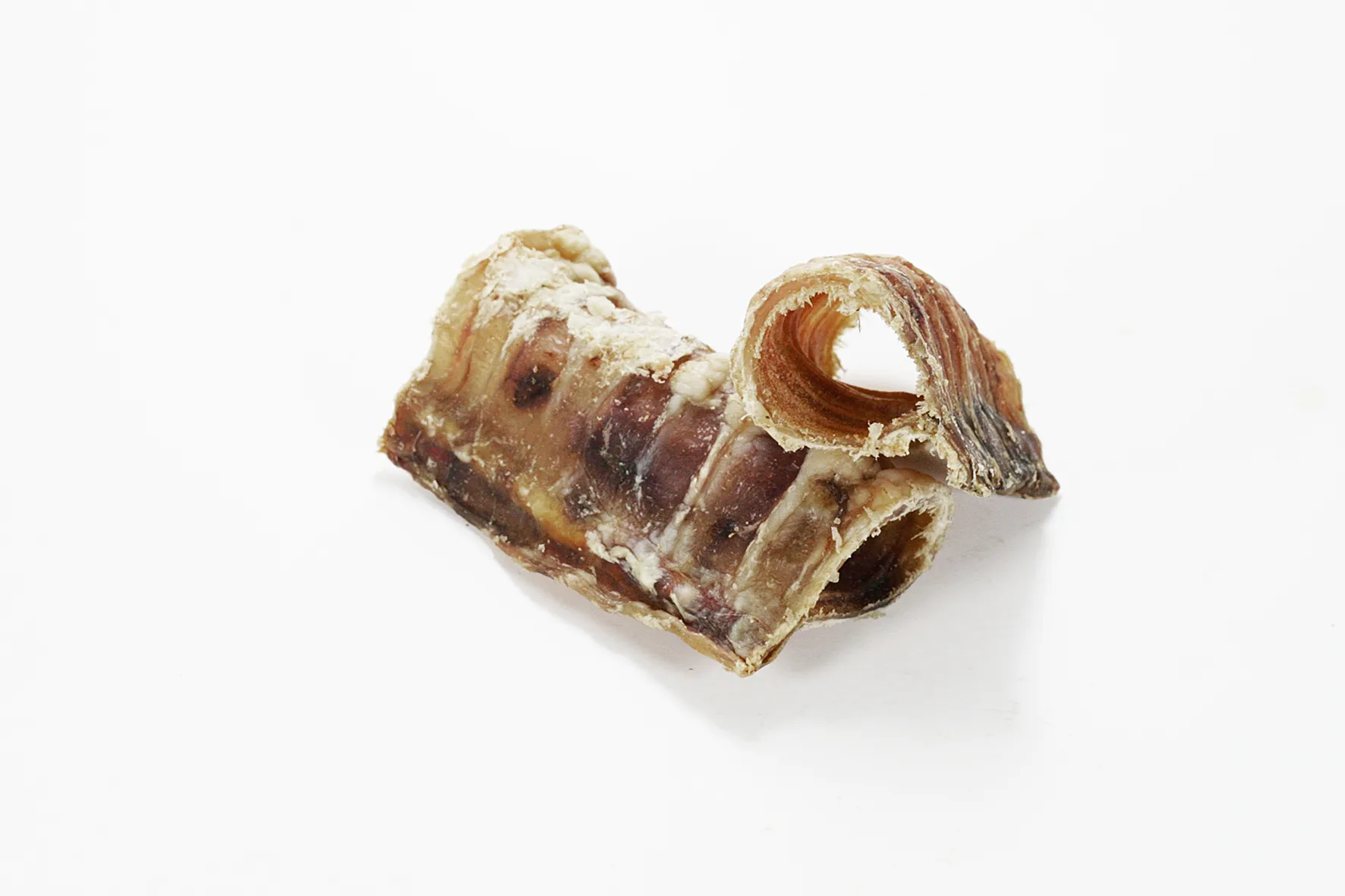
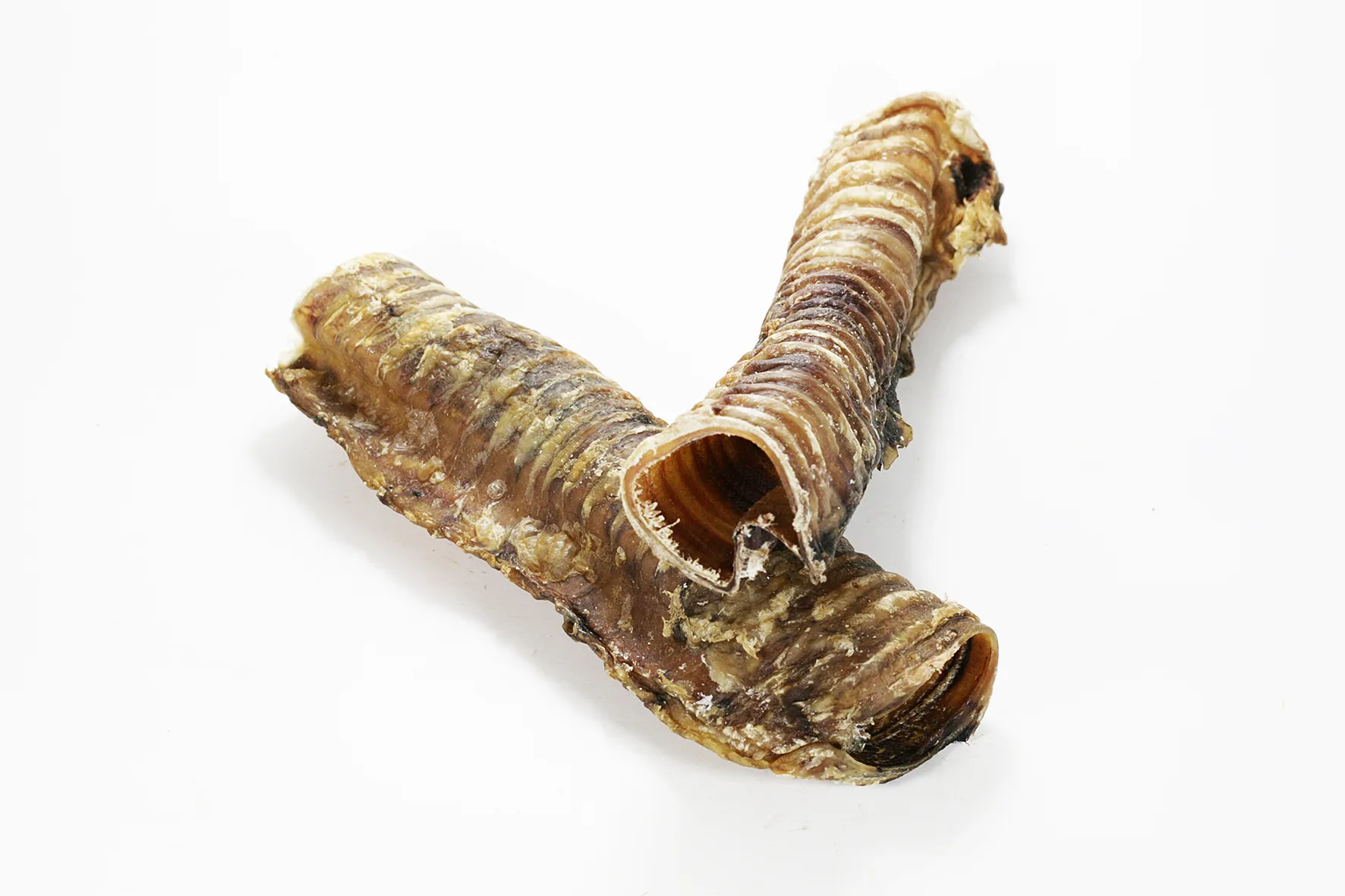
Our short beef trachea pieces and long beef trachea pieces share the same animal ingredient. The product lengths are approximately 5 and 20 centimetres. This lets you compare a shorter and longer format within the same product type. Check the width and thickness of the natural piece when opening the pack.
The stated length describes what you are ordering. Observe whether your dog can work on the piece calmly or tries to take larger sections into the mouth at once. If your dog tends to gulp pieces, discuss the specific format with your veterinary team before offering it.
Compare flat skin with a whole ear
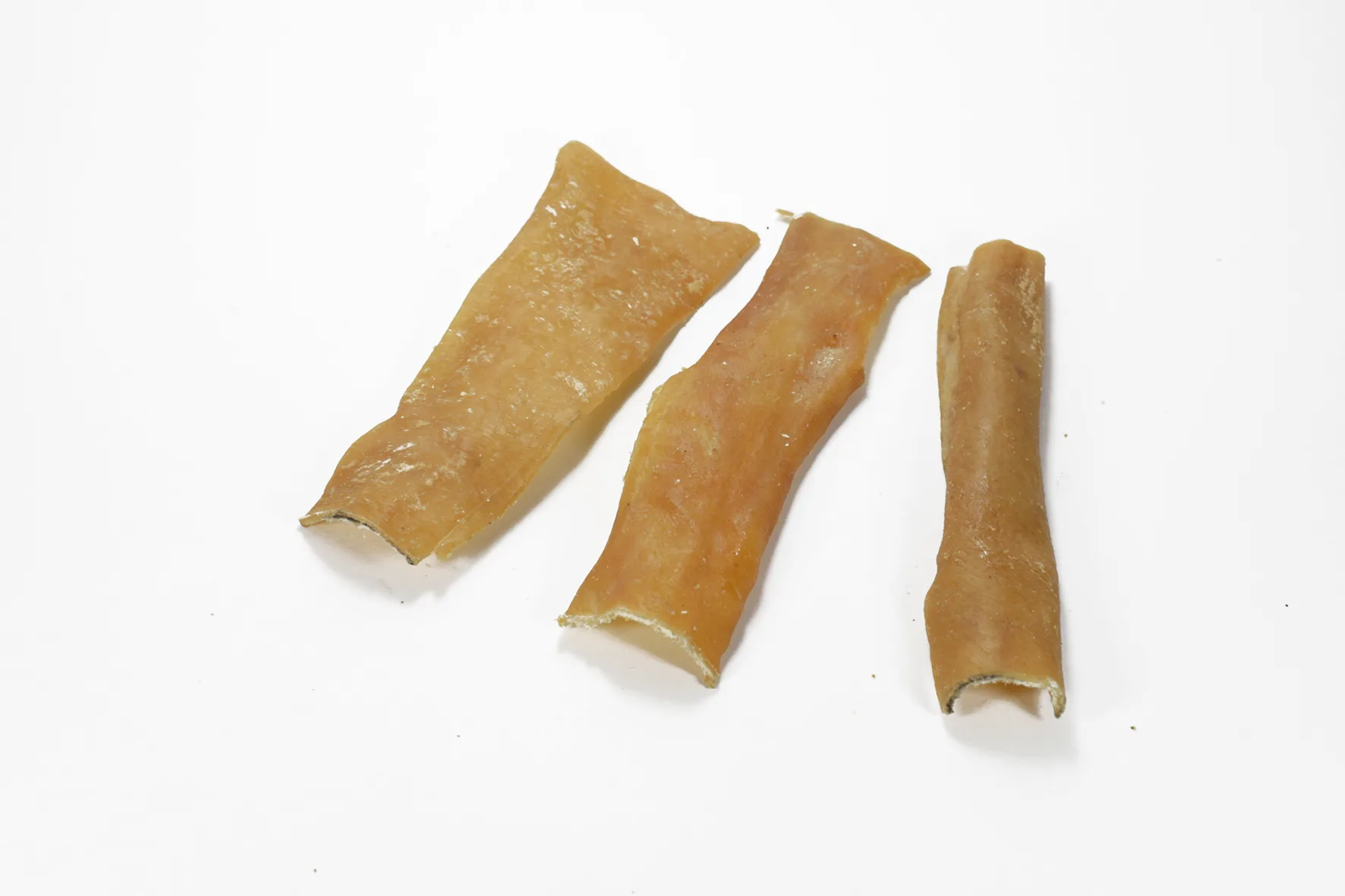
Flat pork skin has a flat shape and is approximately 15 centimetres long. When comparing it with trachea, look at the skin’s thickness and the different structure of the pieces. Our hard-chew comparison explains the firmness ratings.
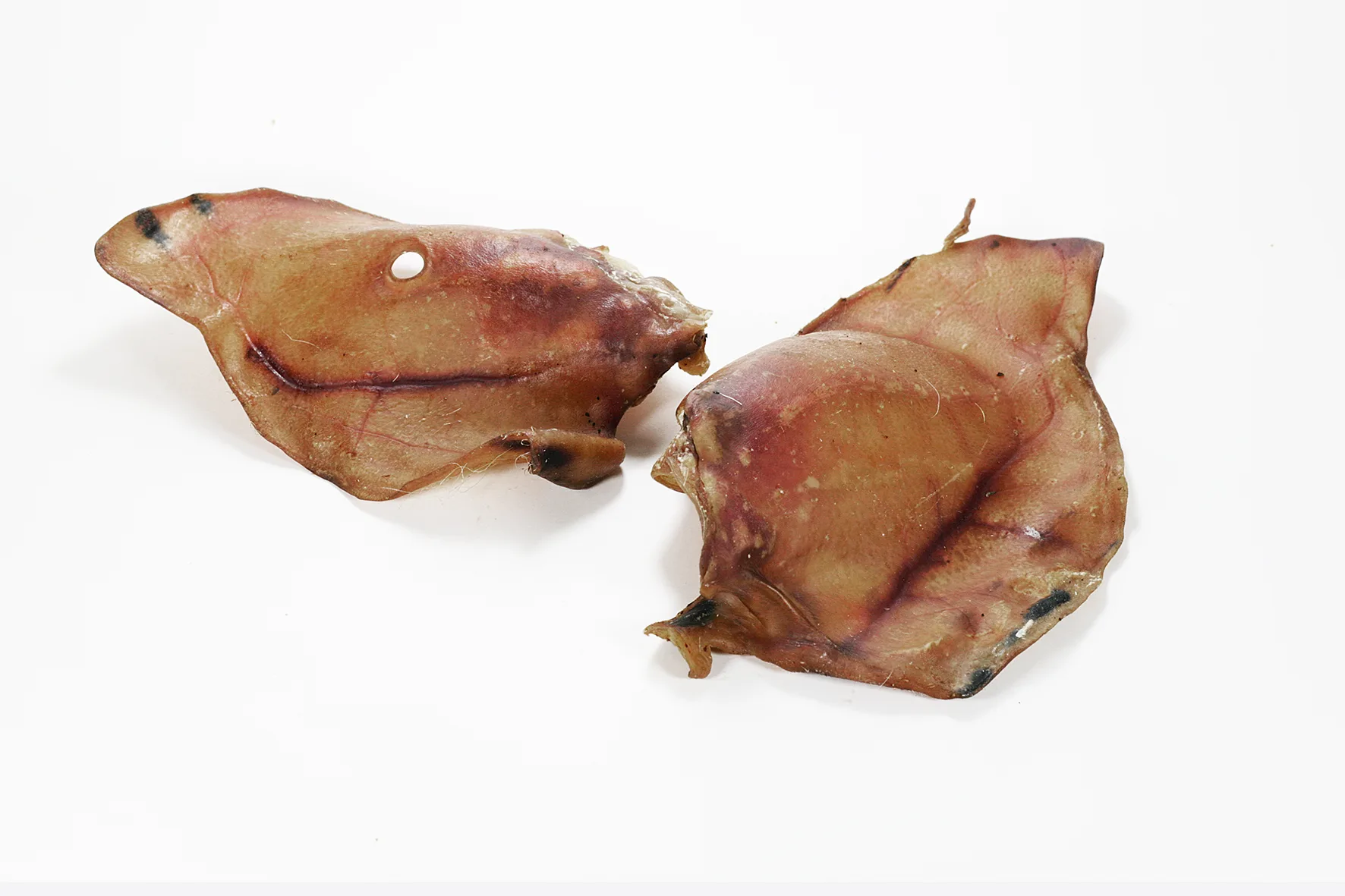
The approximately 40 grams on our pig ear describes the weight of one ear. To judge how broad it is, inspect the shape of the individual piece. Product photos show the outline. Length in centimetres and weight in grams help with different decisions.
Check three details before ordering
- Piece format. Read the length or shape on the product page. Use a format your dog already handles calmly as a reference.
- Ingredient. Check the composition, especially if a particular animal ingredient matters to the feeding plan.
- Order unit. Check whether the product is ordered by weight or by count so you can tell which figure refers to the pack.
Observe the first chewing break
Stay nearby and inspect the piece before offering it. WSAVA recommends choosing an appropriate size and shape and supervising dogs with chews. End the chewing break if your dog starts gulping or the remaining piece becomes too small.
Our guide to longer chewing breaks covers how to plan a supervised session. The product pages below let you check the available packs and compare the individual pieces before buying.
The formats side by side
On a small screen, swipe the table sideways to compare all columns.
| Format and ingredient | Size class | Chew hardness | Breakability |
|---|---|---|---|
| Beef trachea, approx. 5 cm100% beef tracheaSections, approx. 5 cm | Mini, up to 5 cm | Medium3 of 5 | Partly breakable |
| Beef trachea, approx. 20 cm100% beef tracheaSections, approx. 20 cm | Medium, 11 to 20 cm | Medium3 of 5 | Partly breakable |
| Flat pig skin, approx. 15 cm100% pig skinFlat, approx. 15 cm | Medium, 11 to 20 cm | Very hard5 of 5 | Difficult to break |
| Pig ears, approx. 40 g100% pig earWhole ear, approx. 40 g | Medium, 11 to 20 cm | Hard4 of 5 | Difficult to break |
Source: the linked shop product pages. Hardness is our internal comparison scale, not a standardised dental test. Size classes describe the product, not the size of dog. Natural pieces vary.
For your choice: The two trachea formats let you compare different lengths of the same ingredient. Pork skin has a flat shape. The approximate 40 grams on the pig ear describes its weight. Check the actual size and thickness of each piece as well.
Sources and editorial responsibility

Product details and photos come from the Kaumaster range. The linked product pages list the declared composition, analytical values and available packs.
General guidance on treat allowance, supervision and suitable piece size: WSAVA: Feeding treats to your dog (PDF). This is general feeding guidance, not veterinary approval of an individual product.