
Chews with fur: compare ears and skin for dogs
Rabbit ear, beef ear or beef skin? Fur is their shared feature. Ingredient, texture and the actual shape still need separate comparisons.

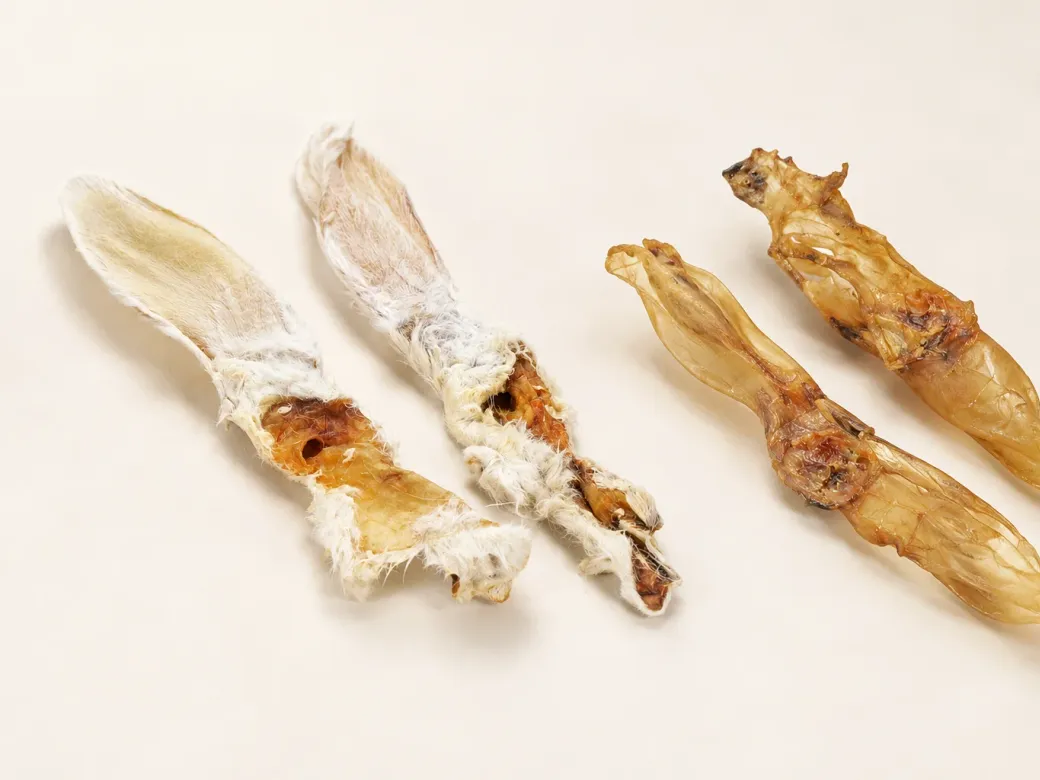
Chews with fur are not one uniform product type. A rabbit ear differs from a beef ear, and a piece of skin has another structure again. Choosing by the visible fur alone can hide those differences.
Here you can compare our three current formats with fur. For the narrower question about rabbit ears and possible risks, read our existing rabbit-ear guide. This page adds a comparison between different fur-covered formats.
Choose the animal ingredient and body part
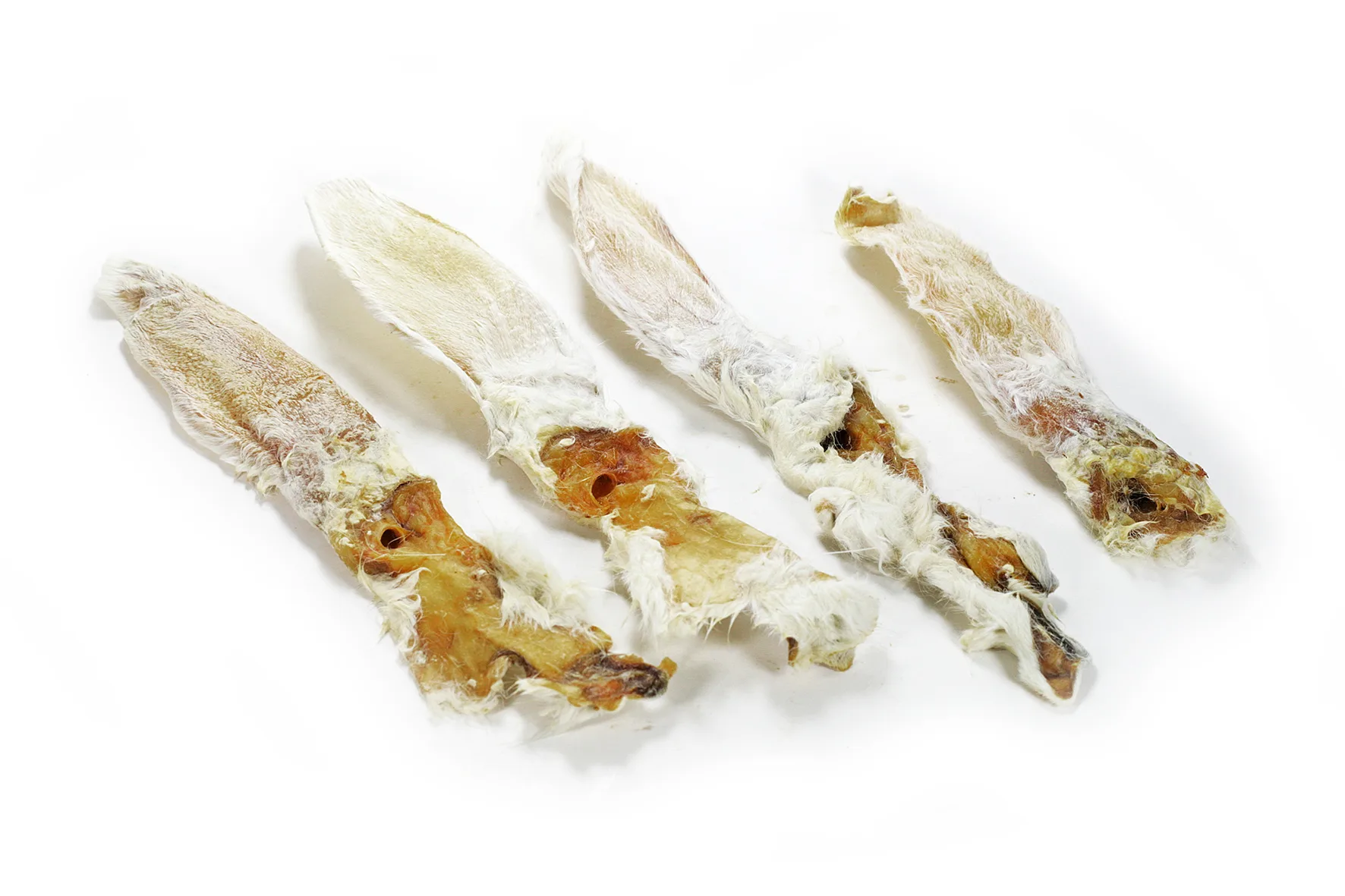
Rabbit ears with fur have rabbit ears as their declared ingredient. We also offer ears without fur, which you can compare in the rabbit category.
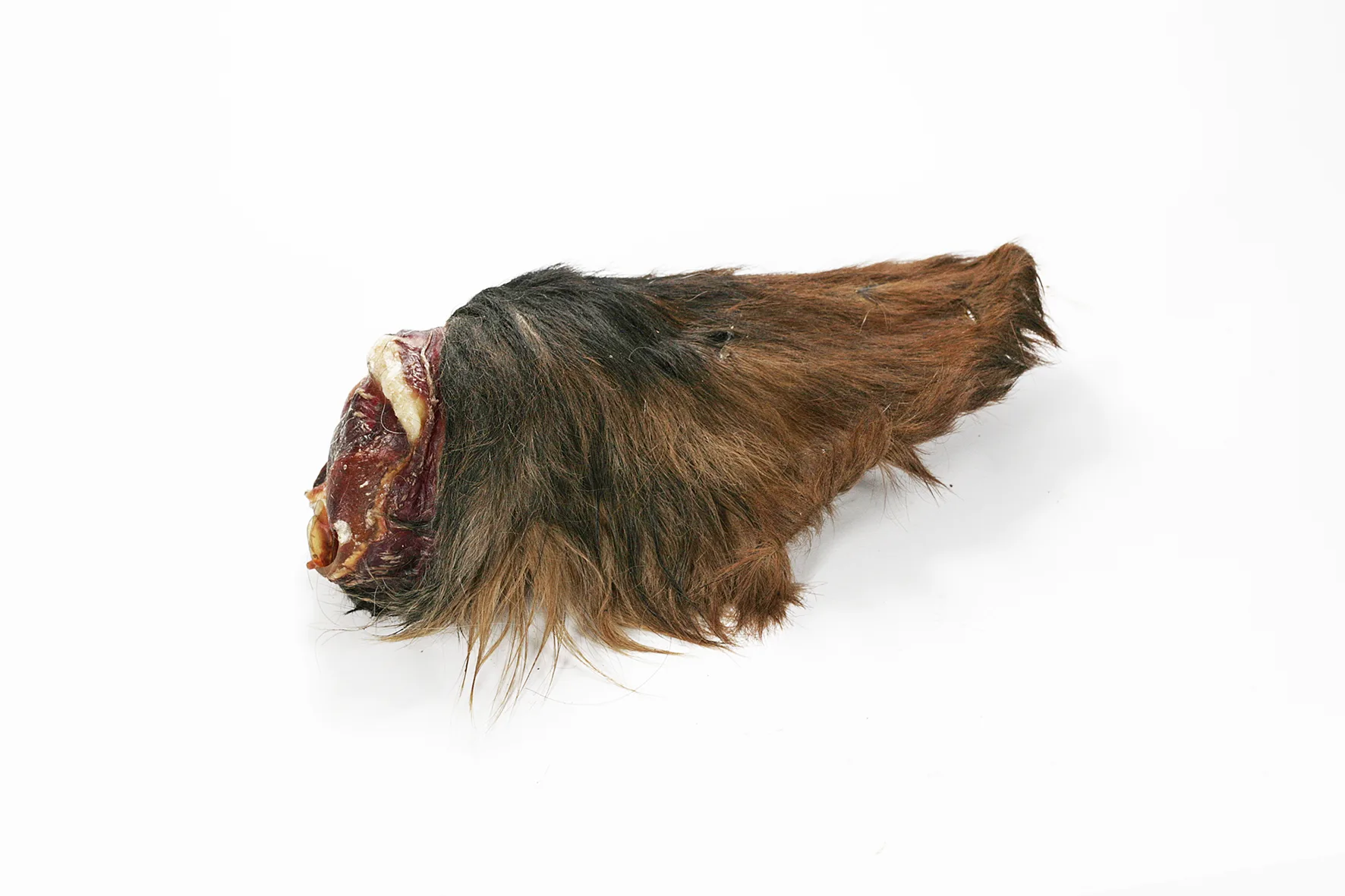
Beef ears with fur are a different ingredient and ear format. If your dog needs to avoid beef, the presence of fur does not change that ingredient decision. Read the actual composition on the page and pack.
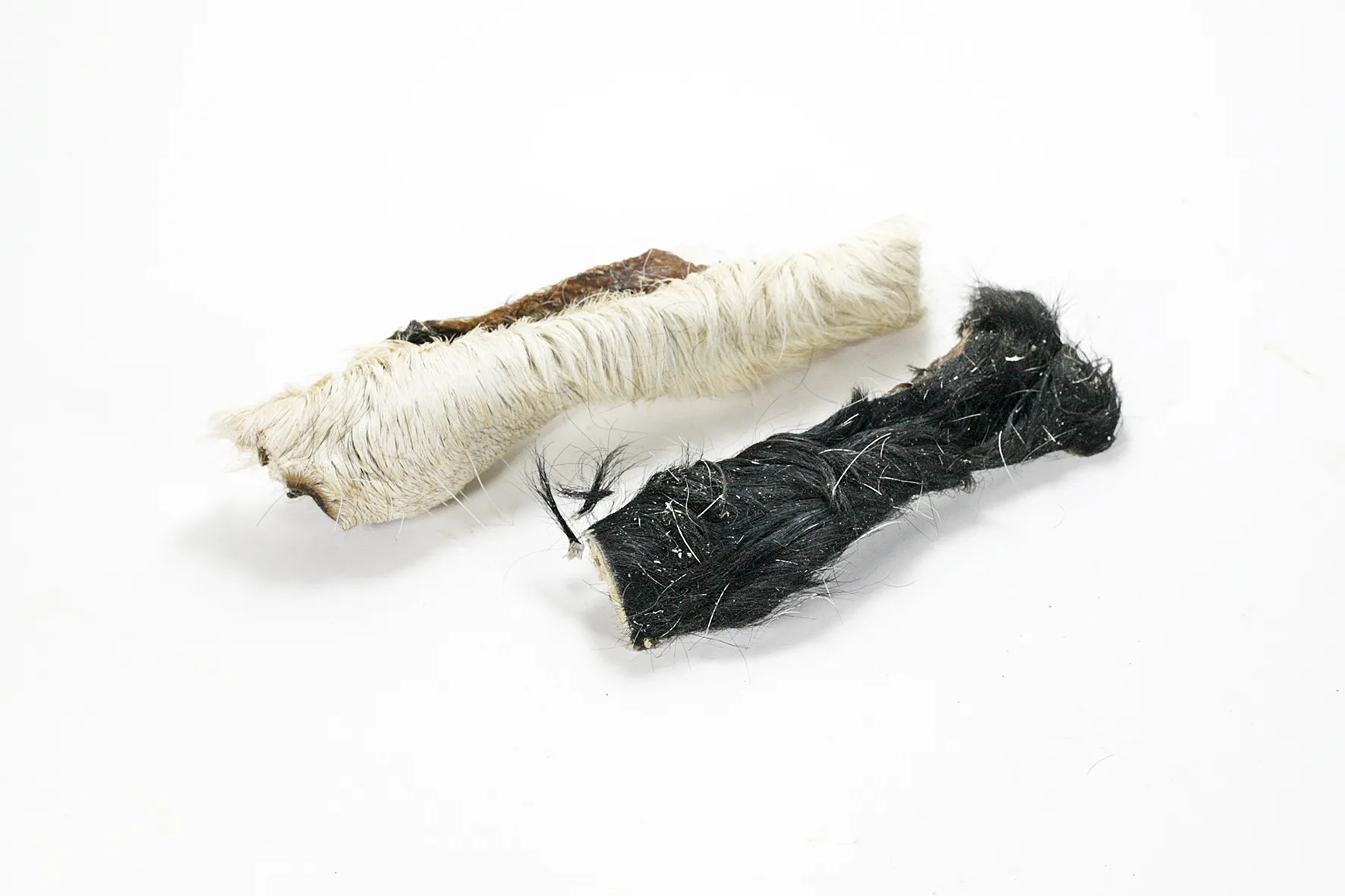
Beef skin with fur also comes from beef but is not an ear. That distinction matters at least as much as the surface. Compare skin and ears as separate formats rather than choosing them interchangeably.
Fur does not predict firmness
Our rabbit ears with fur are listed at level three on the internal hardness scale, beef ears with fur at four and beef skin with fur at five. All three are in the medium size class, eleven to twenty centimetres. Natural pieces can vary within those descriptions.
Their shared feature clearly does not determine a single hardness rating. The scale compares our range; it is not a safety test. Read the hard-chew guide when considering the firmer pieces.
What do you expect the fur to do?
We sell these products as dried natural pieces. We do not promise deworming, bowel cleansing or treatment. The appearance of fur does not establish those outcomes.
If a health concern prompted the search, discuss that concern with your veterinary practice. You can then compare the specified animal ingredient, body part and feeding information. A new fur-covered treat is still a new product when your dog follows a feeding plan, not a neutral addition.
Plan storage as well as the purchase
Keep the product, batch and best-before information with the pack. FDA guidance recommends cool, dry storage for dry treats and handwashing after handling pet food. FDA: Safe handling of pet food and treats.
These are general hygiene principles, not certification of these products. Follow the instructions on your pack too. An open bag beside a warm radiator is not a planned storage solution.
Narrow the choice with three details
Write down the animal ingredient you need, the shape your dog can handle and the firmness you want to compare. Then inspect the actual pieces. Suitable size and supervision remain relevant under WSAVA’s general guidance even if your dog has tried other products with fur.
Below are the three formats with links to their existing product pages. Read the individual information before selecting an available pack.
The formats side by side
On a small screen, swipe the table sideways to compare all columns.
| Format and ingredient | Size class | Chew hardness | Breakability |
|---|---|---|---|
| Rabbit ears with fur100% rabbit ear with furWhole ear, with fur | Medium, 11 to 20 cm | Medium3 of 5 | Partly breakable |
| Beef ears with hair100% beef ear with hairWhole ear, with hair | Medium, 11 to 20 cm | Hard4 of 5 | Difficult to break |
| Beef skin with hair, approx. 15 cm100% beef skin with hairWith hair, approx. 15 cm | Medium, 11 to 20 cm | Very hard5 of 5 | Difficult to break |
Source: the linked shop product pages. Hardness is our internal comparison scale, not a standardised dental test. Size classes describe the product, not the size of dog. Natural pieces vary.
For your choice: The shared surface does not make these pieces interchangeable. Compare rabbit ear at level three when you want a less firm ear format. If you specifically want beef, distinguish ear at level four from skin at level five. Fur does not establish a health benefit.
Sources and editorial responsibility

Product details and product photos come from the Kaumaster range. The linked product pages list the declared composition, analytical values and available packs.
The cover image is an illustration for orientation. It explains the format and does not replace a product photograph; individual natural pieces can vary.
General guidance on treat allowance, supervision and suitable piece size: WSAVA: Feeding treats to your dog (PDF). This is general feeding guidance, not veterinary approval of an individual product.